

The short answer
A better-built gunite pool starts with decisions you may never see once it is finished: site-specific engineering, correctly installed steel reinforcement, a properly applied shell, and plumbing and equipment designed to work together. Two pools can look similar above the water and be built very differently underneath.
Look beyond the finish
Why is the difference mostly invisible?
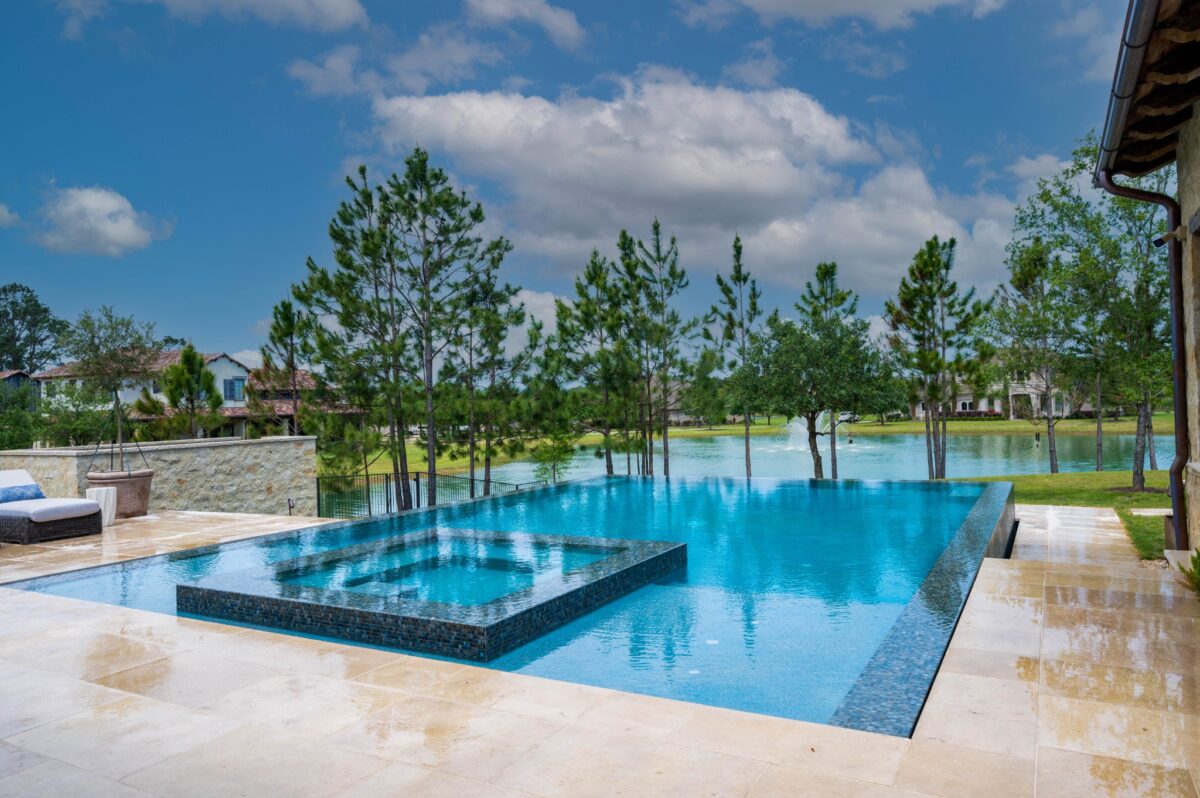
Once a pool is plastered and full of water, you cannot see its steel reinforcement, buried plumbing, or most of its concrete shell. Beautiful tile and sparkling water tell you something about the finish. They tell you much less about how the pool was built.
That makes construction quality difficult to compare from finished photos alone. During the proposal stage, ask a builder to explain the plans, installation practices, and checks behind the finished product.
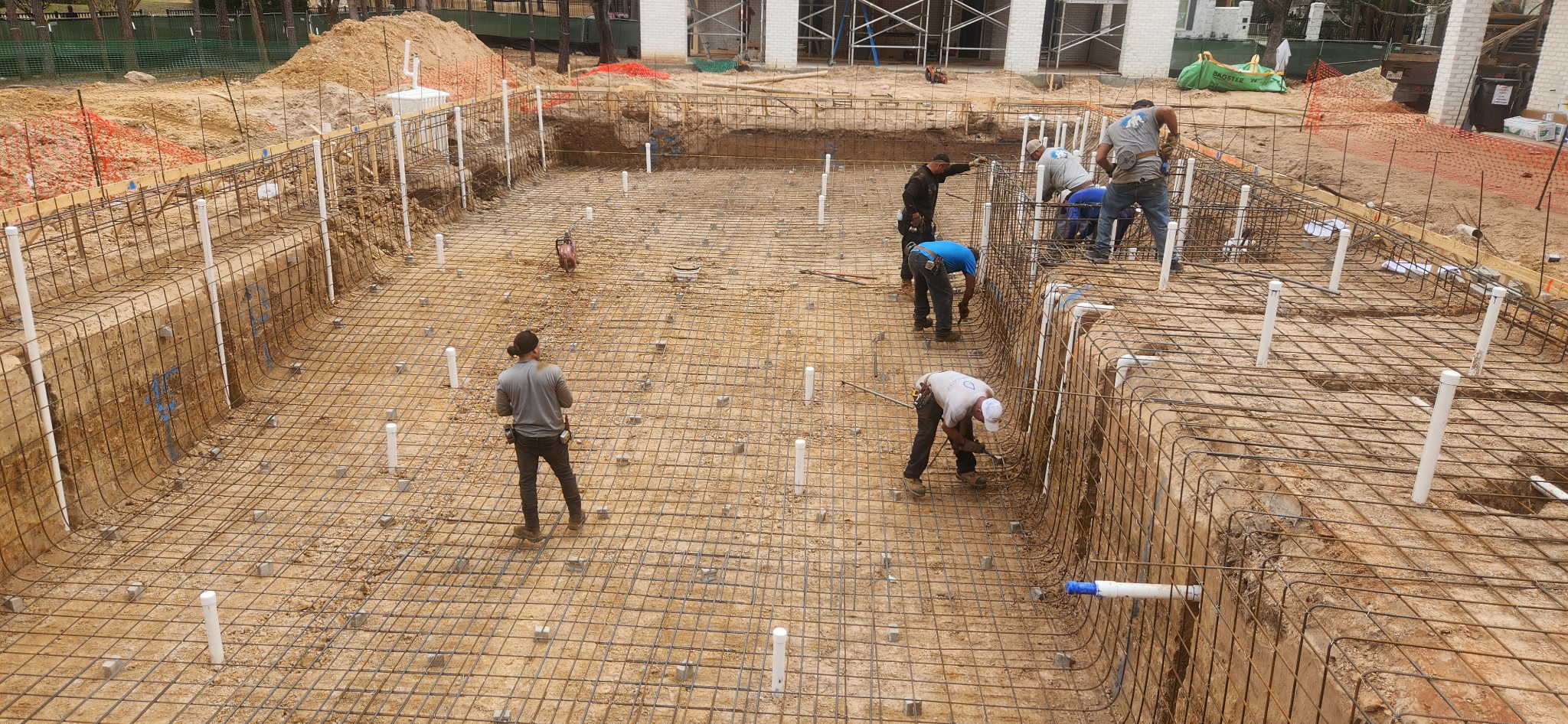
What is underneath a gunite pool that you cannot see later?
Steel installed to the structural plans
Bar size, spacing, placement, and concrete coverage work together. The useful question is whether the installation matches the engineered design for your pool—not simply whether one builder promises more steel.
Concrete thickness where the design requires it
The shell should meet the specified thickness at each location, with proper coverage around reinforcement. Walls, floors, and raised features may have different requirements. Ask how the builder checks the work before it is concealed.
Plumbing and equipment planned together
Ask how pipe sizing, line routing, returns, and equipment were selected for your pool and its features. A proposal should help you understand how the system will operate, rather than relying on a pump model or horsepower number alone.
A properly detailed bond beam
The bond beam is the reinforced upper edge of the pool shell. Ask how it is designed for the coping and any raised walls or other features in your project, and how the adjoining deck is detailed.
How should your soil and site affect the design?
For a Houston-area pool project, ask what is known about your specific lot. A city name alone does not establish the soil conditions beneath your backyard.
Soil pressures, slopes, nearby structures, and other loads can affect structural design. Ask what site information the builder uses and whether a geotechnical evaluation or additional engineering is needed for your property.
Make drainage part of the conversation. Ask where rainwater will go after the pool and decking are installed, and who is responsible for the drainage work included in your proposal.
Keep this for your builder meetings
What should you ask before choosing a builder?
| Ask the builder | What the answer should clarify |
|---|---|
| What reinforcement does my pool design call for? | Specified bar size, spacing, placement, and how the installation is checked. |
| How do you account for conditions on my property? | The site information used, any additional evaluations, and the drainage scope. |
| What shell thickness is specified in each area? | The design requirements and how the builder checks that they are met. |
| How are plumbing and equipment selected together? | How the design supports your pool, spa, and water features. |
| Who checks the work before it is covered? | Inspection responsibilities, timing, and the documentation you can receive. |
Ask for these answers in writing. Specific explanations make it easier to compare two proposals that initially appear to describe “the same pool.”
What warning signs deserve a closer look?
You do not need to diagnose construction defects yourself. Look for gaps in the explanation or documentation, such as:
- Vague promises about “extra steel” without reference to your pool’s plans.
- No clear explanation of shell requirements or construction checks.
- Equipment listed without an explanation of the plumbing design.
- Unclear responsibility for site evaluation or drainage.
- No stated process for checking work before the next phase begins.
A lower price does not prove that a builder is cutting corners, just as a higher price does not guarantee better construction. Compare scope, specifications, and accountability before drawing conclusions.
Frequently asked questions
Can I see the construction while it is happening?
Ask your builder to arrange safe visits at key stages and to explain what you are looking at. Construction photos and inspection records can also help you understand work that will later be covered. A homeowner visit does not replace a required inspection.
Is a more expensive quote always better built?
No. Design complexity, finishes, features, access, and project scope can all affect price. Compare the construction specifications and what each proposal includes, rather than treating price as a quality rating.
Does more rebar automatically mean a stronger pool?
No. Reinforcement must work as part of an engineered system, including its placement and concrete coverage. Ask how the installation meets the structural plans for your particular project.
What should I request before signing?
Request a clear written scope, an explanation of the design and inspection process, equipment specifications, drainage responsibilities, exclusions, and warranty terms. Ask the builder to resolve unclear items before you commit.
Your next step
Bring better questions to the conversation.
Use the comparison questions above at your next builder meeting. If you are exploring a custom pool in the Houston area, learn more about Texas Pools and start with the details that matter to you.
Explore Texas Pools →Technical background on reinforcement and structural loading: Pool Engineering, Inc. Project requirements should be confirmed against the applicable plans and local requirements.
